1-1-2-1
(1 Housing, 1 Port, 2 Lights, 1 Day)
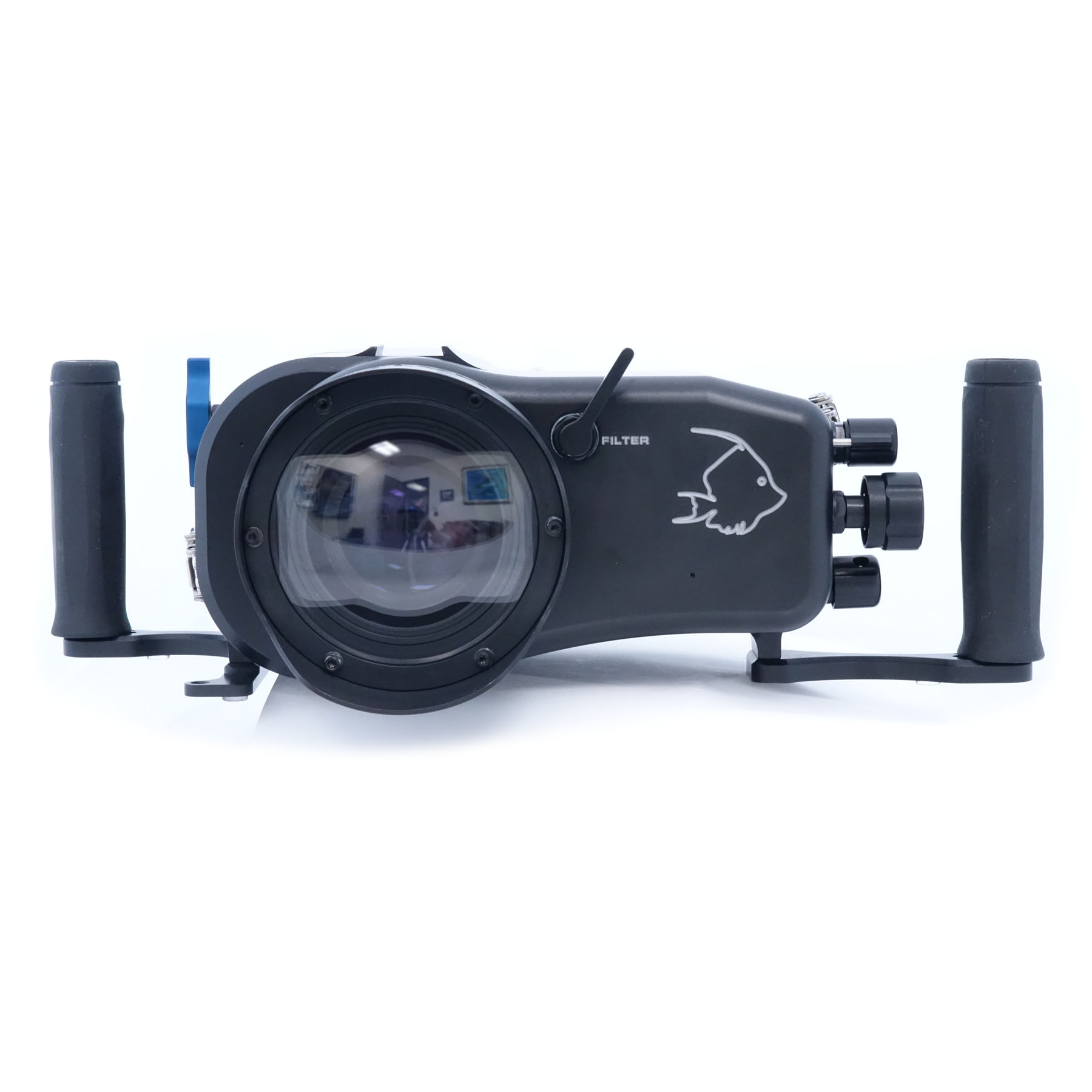
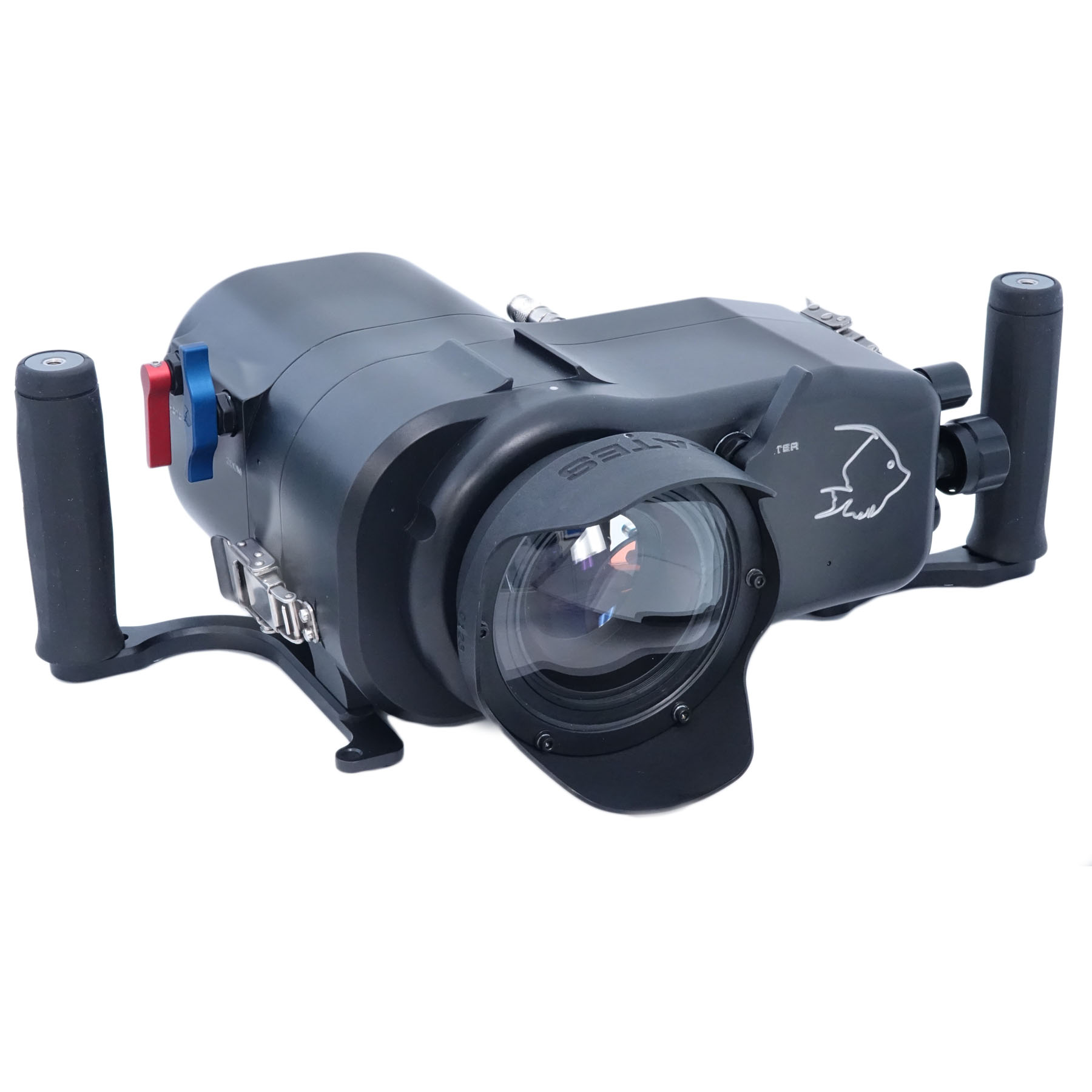
Presenting a compilation of clips from a single day of diving off Point Loma, San Diego. 1-1-2-1 demonstrates the Gates AX100 housing + Sony FDR-AX100 4K camera capabilities with a single GP34 Wide Angle port and a pair of Sola LED lights. This system is a compact performer –travel easy, optically versatile, and a proper motion imaging tool. 1-1-2-1 is the proof.
Summary:
- Easy shooting. The AX100 camera handles color and focus with aplomb. Both were set to auto and..well you can see the results. If you prefer manual, the housing / camera provides full focus and exposure control, too. The built-in peaking function of the camera is amazingly good for tack sharp focus.
- Sharp UHD. Watching this video on a 75” UHD Samsung display is amazing for the detail and sharpness. Truly, if you’ve not seen underwater in 4K, prepare to be blown away.
- Zoom through GP34. This port is a powerful and versatile optic. And it’s not just the port: integration to the AX100 housing and alignment to the FDR-AX100 camera are critical for zoom performance and UHD clarity.
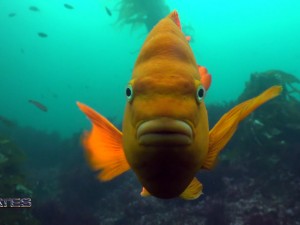
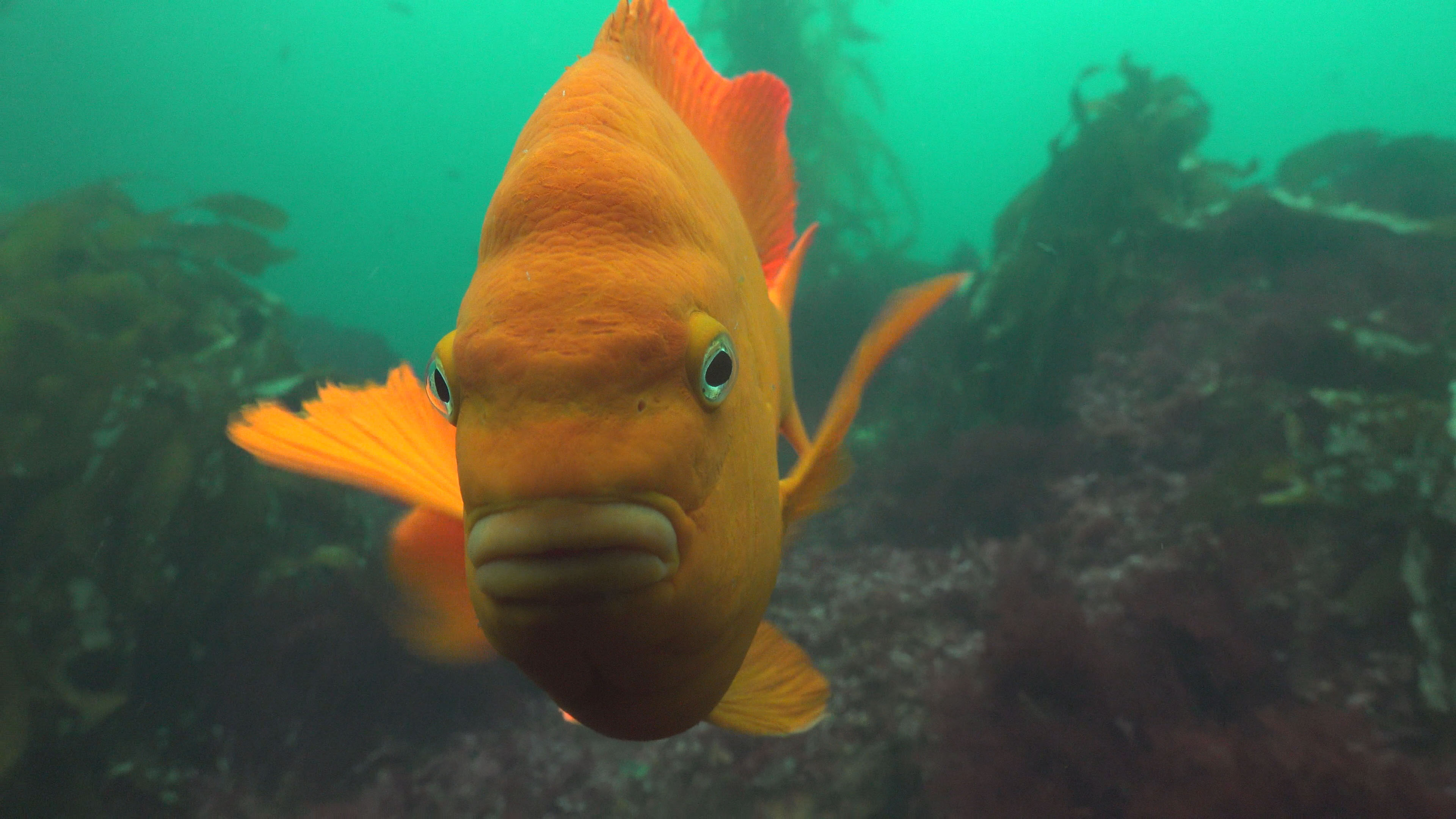
- Low light / dynamic range. The AX100 lives up to its low light performance. 1-1-2-1 was shot on an overcast day with limited visibility, yet the AX100 compensated well. Relatedly, the dynamic range was pleasantly surprising, readily handling the brilliant Garibaldi on a dark background.
1-1-2-1 UHD (Click the Gear icon and select 2160P if you have a 4K monitor)
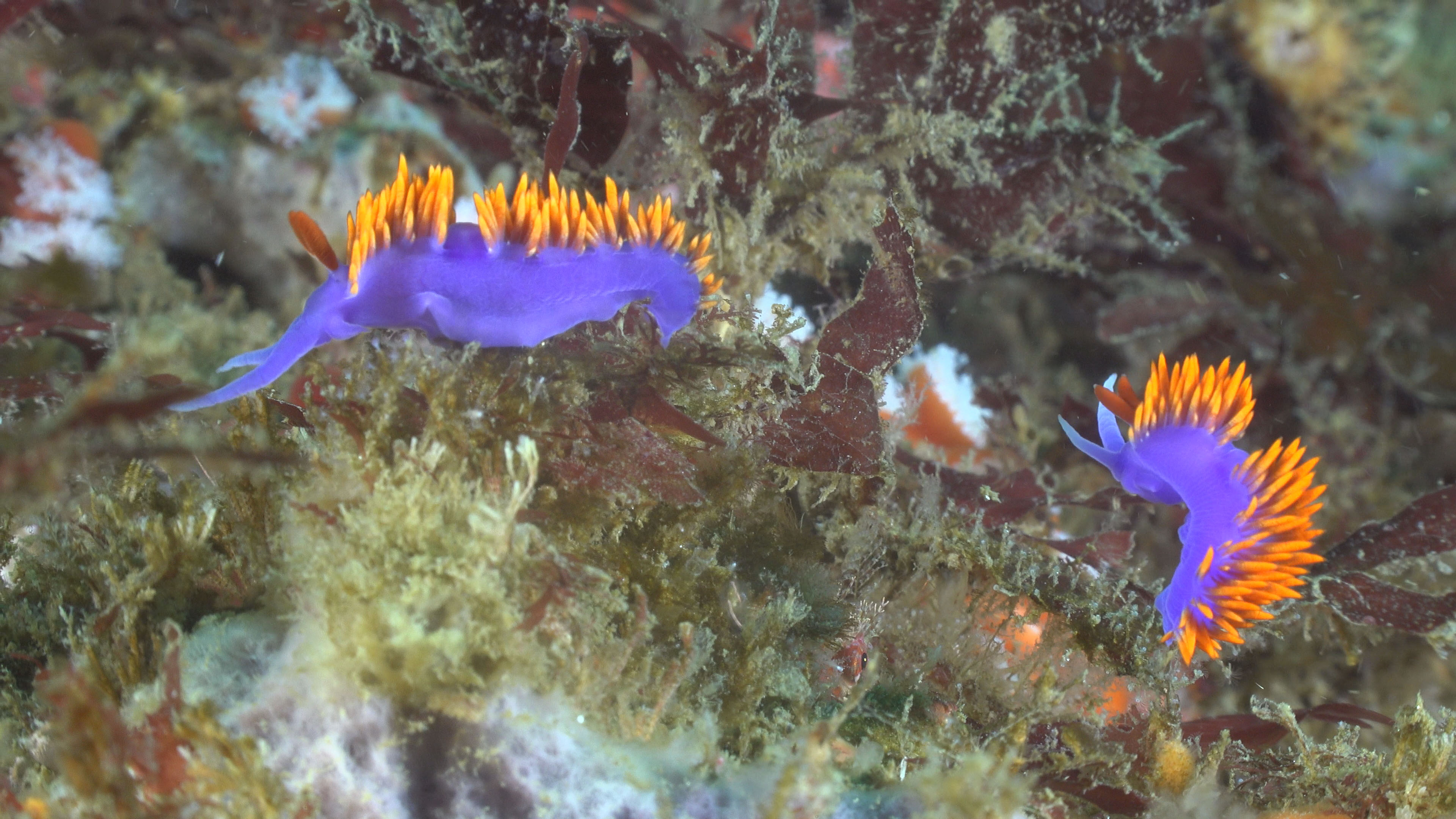
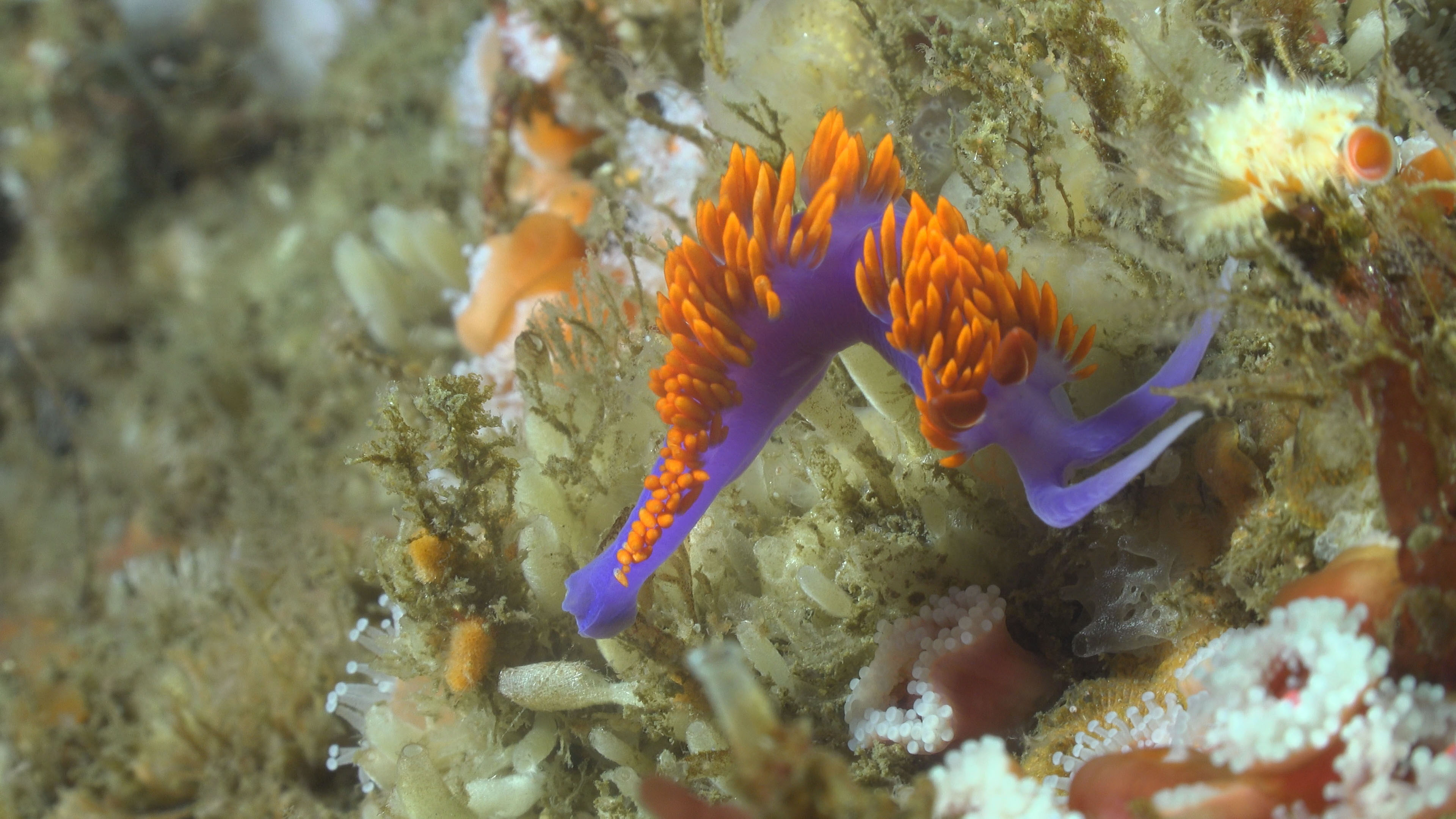
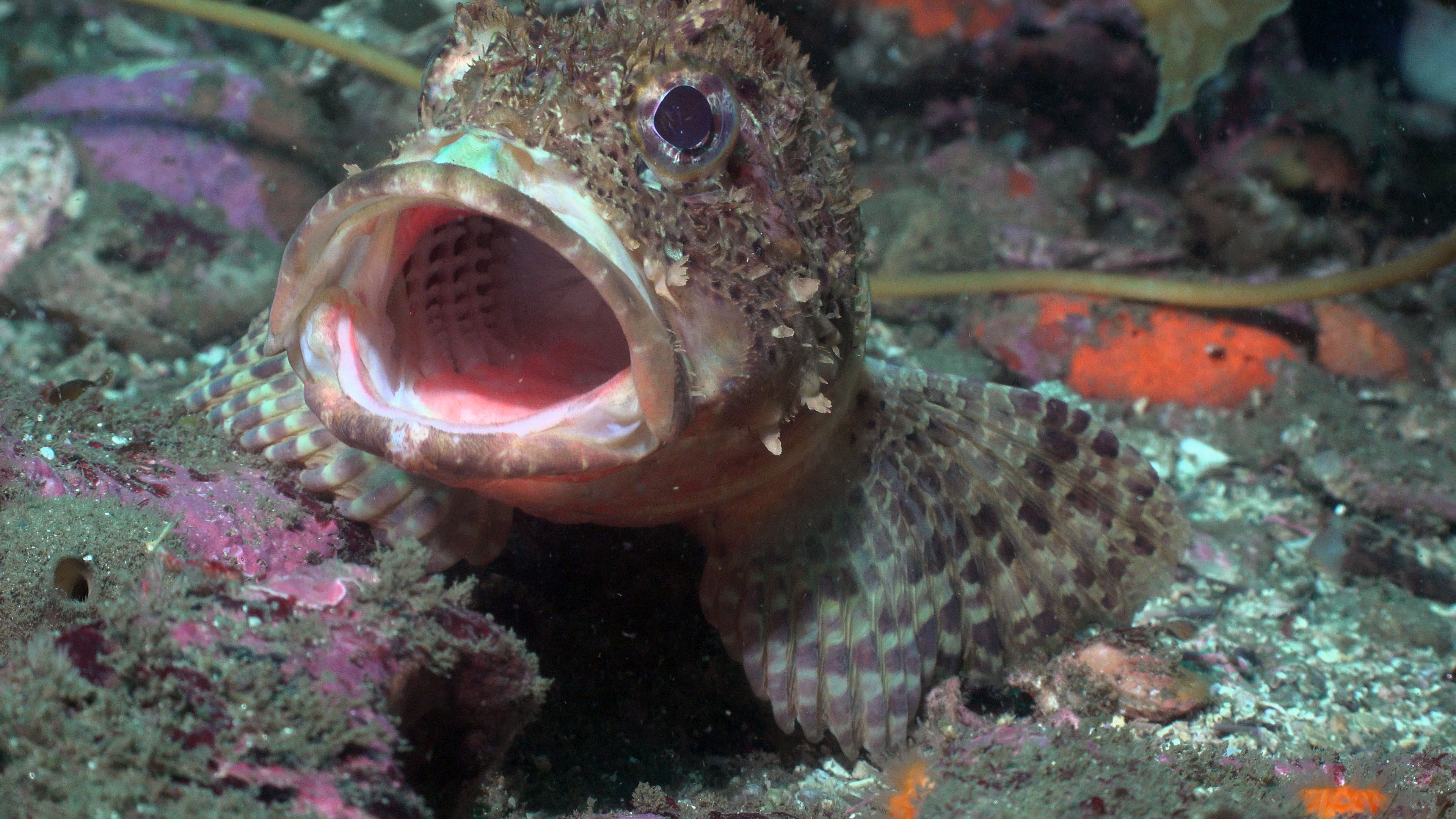
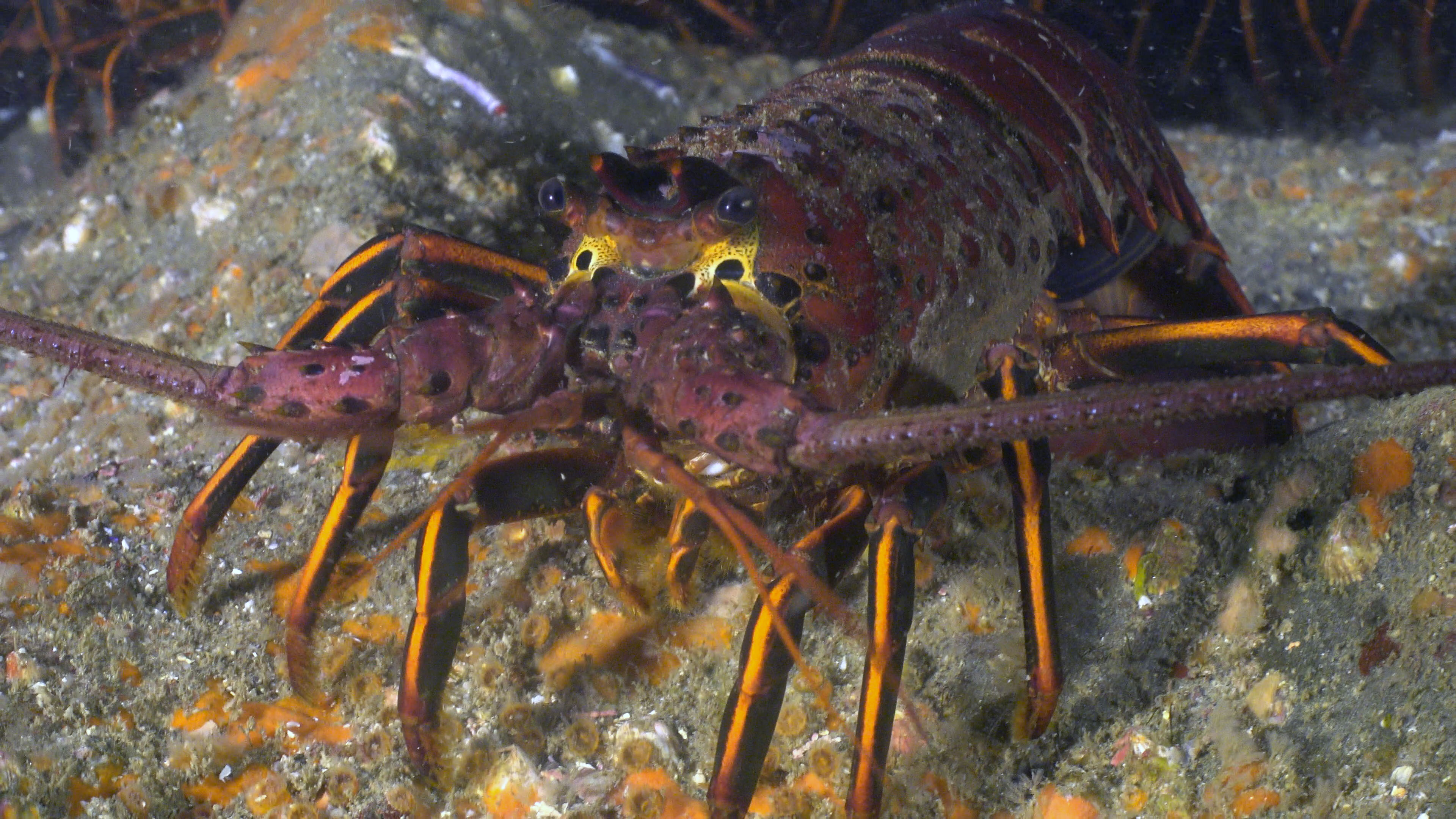
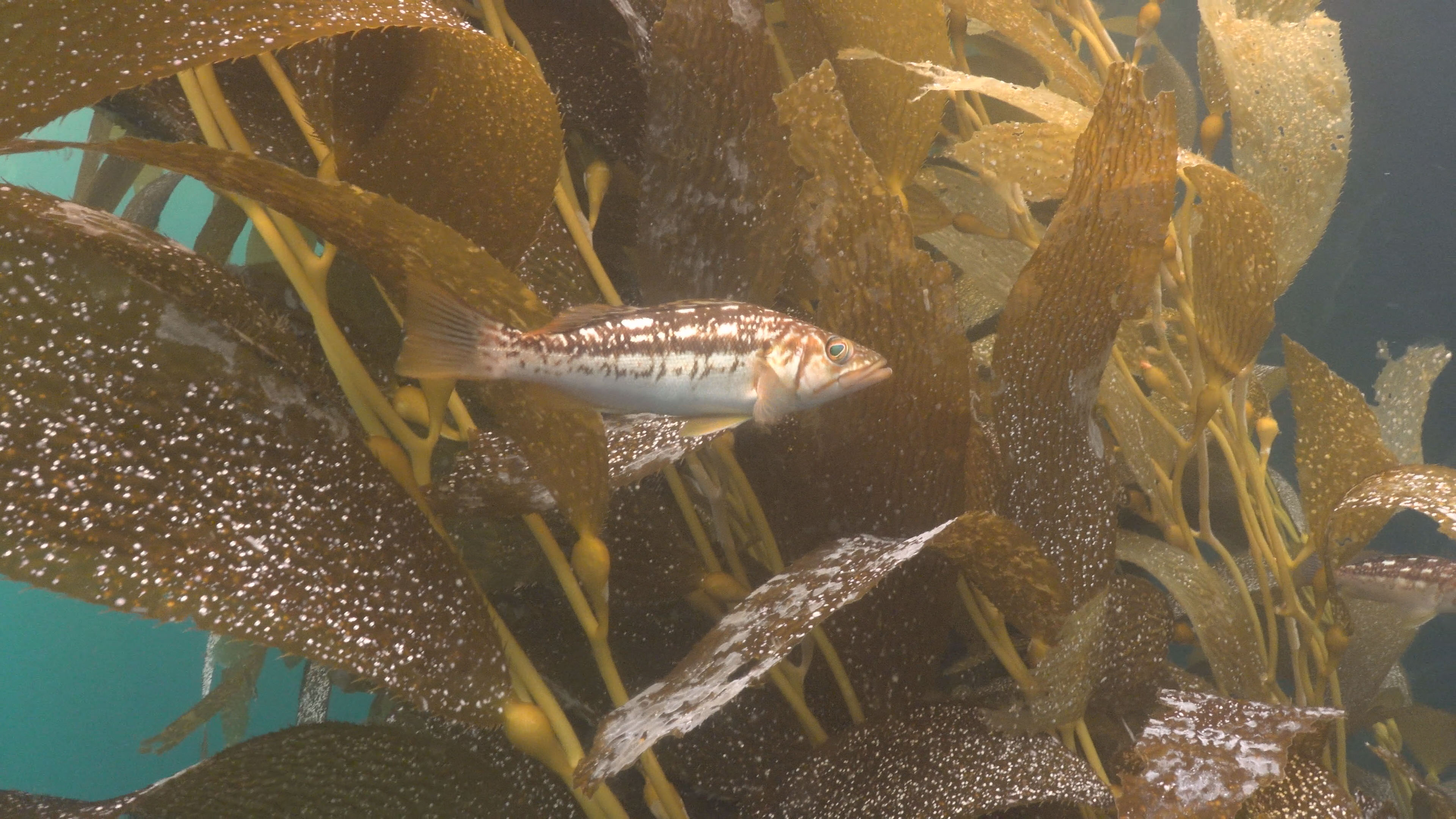
Frame Grabs. (Right click and open in a new window / tab to see full 3840 x 2160 resolution)
Comments:
- As Shot. All clips in 1-1-2-1 are ‘As Shot’ to evaluate the camera capabilities without post corrections or grading.
- Conditions. San Diego has generally green water. Only rarely do we get blue water, and that’s at the Channel Islands. So that’s why the water is green.
- Visibility ~30 feet / 10m. Light to moderate surge.
Camera / Housing setup:
Because we have surge and sometimes current here in San Diego, I chose some practical settings:
- Auto Focus. While I prefer manual focus (especially with large sensors), I let the camera focus all shots. Trying to focus in surge conditions is difficult at best. But I also wanted to test the auto focus tracking capabilities of the AX100 camera.
- Exposure control plan. Exposure control is available as shutter, gain and iris.My approach:
- Shutter: 1/30 to match the frame rate.
- Gain: automatic. The AX100 is ostensibly a low light camera, so I wanted to test this by letting gain float to hold proper exposure.
- Iris: adjusted by me to the highest f-stop possible without pushing gain too far. I tried to keep gain under 21dB (an arbitrary choice).
- Resolution / Frame rate: 3840 x 2160 / 30P.
- Peaking: Yellow color, low setting.
- White Balance: Auto and manual, for test comparison.
- Color Filter: On and off, also for test comparison.
- GP34 Wide Angle Port. I selected this for versatility. 90% zoom through from 100° to macro.
Conclusions and notes for shooters:
- Critical Focus. UHD brings into sharp relief the need for critical focus. What looks good in HD can be distractingly poor in UHD. The Kelp Bass, for example looks great in HD, but on a UHDTV he’s slightly out of focus. So...using focus tools like peaking and magnify are necessary for consistently sharp UHD images.
- Dynamic range. The AX100 handled the brilliant orange Garibaldi on a dark background quite well. Better than I expected. You can feel comfortable capturing the highlights and shadows in the same frame.
- Auto focus works perfectly – about 70% of the time. Sometimes the camera wants to focus on something other than your subject. Watch this carefully with....
- Peaking. Very helpful for focus, both auto and manual. It shows which parts of the image are in precise focus. If I were manually focusing, this feature would be invaluable. It’s notable that the AX100 has three levels of peaking, and three colors red/yellow/blue. I shot yellow and low level, but would change that to mid-level next time.
- White balance -- After a few test shots on the first dive, it became obvious that the AX100 was handling color just fine. So I let it be for the remainder of the dives. The internal color filter was not needed for these conditions (but I expect it will be important in tropical waters)
- Low light. Despite high levels of gain (15-21 dB and sometimes more) this did not seem to affect image quality. This is very promising for more challenging low light conditions ahead.
- Iris / Gain / Shutter. Diving these conditions again I would keep the same exposure plan, but would only change shutter speed. 1/30 led to motion blur, which I don’t like. Next time I’ll shoot 1/60 which should clean up some otherwise blurry moving fish.
- GP34 Port. Zoom through is clear the entire range. 100° at wide + macro. Proof is in the frame grabs. This port is sharp and versatile.
John Ellerbrock
President
Gates Underwater Products